About the institute
An institute for the knowledge and terms of energy justice.
Iziko labaNtsundu is an independent South African research institute. We work where energy policy, African languages and indigenous practice meet, producing terminology, evidence and public argument that communities, educators, community media and the state can all use.
Mandate
We do not translate energy policy. We build the conditions under which energy policy can be written, contested and decided in African languages in the first place.
About Iziko labaNtsundu
- Status
- Independent non-profit company, registered 2026
- Seat
- Johannesburg
- Focus
- Energy justice, indigenous knowledge and African languages
- Governance
- An independent board built around designated competency seats, including a technosphere and a customary law jurist.
How we work
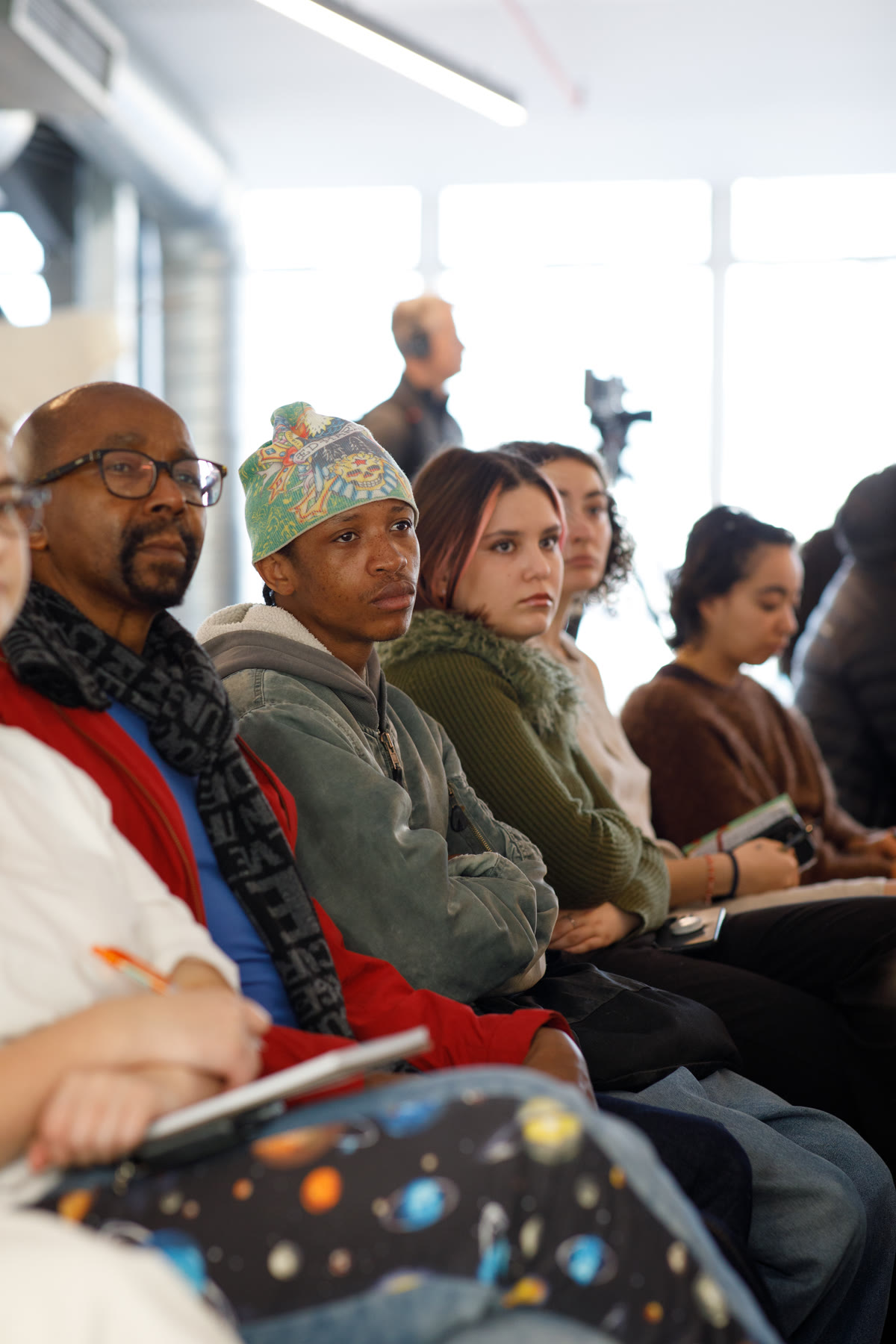
Every project runs the same way: convened with the people who hold the knowledge, conducted in their language, minuted, and published under named authorship. Knowledge holders are cited as authors, not as sources.
Our outputs are deliberately citable, numbered, dated, versioned and openly licensed, because recognition in policy and law depends on being able to point to a record.
Independence
Our founder, Thandile Zonke, serves as a Commissioner on the Presidential Climate Commission. All engagement between Iziko labaNtsundu and the PCC is declared, and she recuses herself from PCC deliberations on matters in which the institute has an interest.