 Research · Q1 2027
Baseline: Who's transition is it anyways?
A survey of 300 people across three provinces measuring understanding of ten core energy concepts and past participation in consultations, by language.
Iziko labaNtsundu is an independent South African institute advancing energy justice through indigenous knowledge and African languages. The vocabulary around climate and energy is quickly evolving. People cannot participate in consultations, without the language to inform policy. So we build the language, the spaces and the tools that let communities understand, debate and contest energy decisions in the languages they think in.
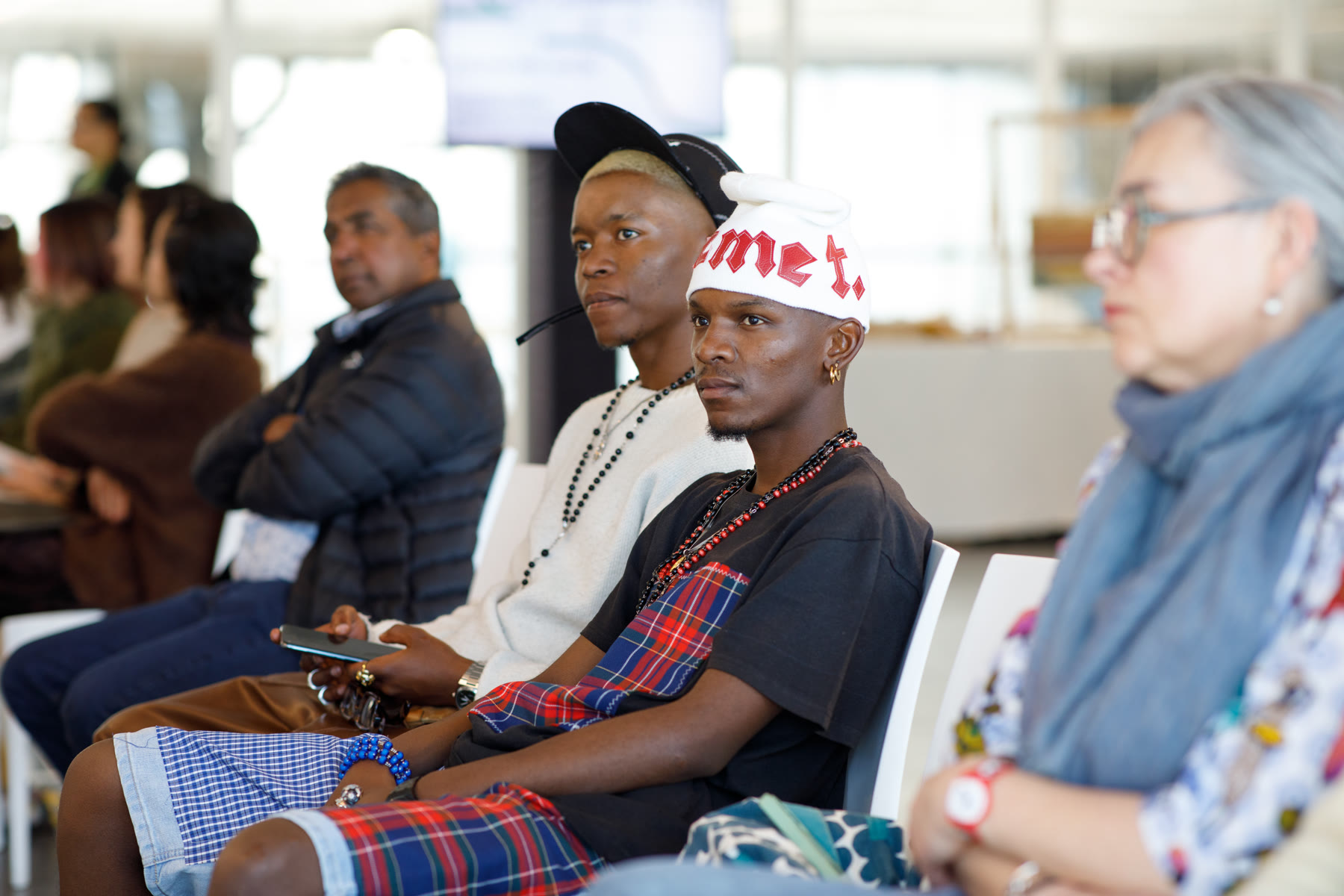
We foster community-led spaces where people meet on their own terms, name their experience of the transition and set their own priorities before they walk into formal consultations.
We co-create climate and energy vocabulary in African languages with communities, linguists and energy experts, and we publish it openly.
Why we exist
Most just transition engagement happens in invited spaces. Institutions set the agenda, the language and the rules, and communities are asked to respond to a transition framed somewhere else. We build community-led spaces where people develop their own knowledge, language and priorities first, so they can enter formal decision-making with their own evidence and proposals.
Our first outputs
Research · Q1 2027
A survey of 300 people across three provinces measuring understanding of ten core energy concepts and past participation in consultations, by language.
 Policy brief · forthcoming
A review of the language policies and recent consultation practice of DEE, NERSA, DFFE and the PCC, measured against the Use of Official Languages Act.
 Glossary · Q2 2027
Community-validated climate and energy terms, published open access under CC BY 4.0.
Pillar
Building African languages as languages that carry science, engineering, policy and research. We develop terminology, translate technical material and train people to write and argue technically in their own languages, starting with climate and energy.
Pillar
Taking the just transition beyond English-language policy circles. We build the vocabulary, materials and community-led forums that let people in mining-affected communities deliberate energy decisions in their own languages and be heard in the record.
Pillar
Documenting and systematising indigenous and vernacular practice in land, water, fire, building, repair and seasonal knowledge, so that it can be cited, taught, standardised and recognised within industry codes, procurement and law rather than folklorised.
Flagship programme
CLICK is our flagship programme in development. It will co-create climate and energy vocabulary in African languages and put it to work through community dialogues, games, radio and policy talking points.